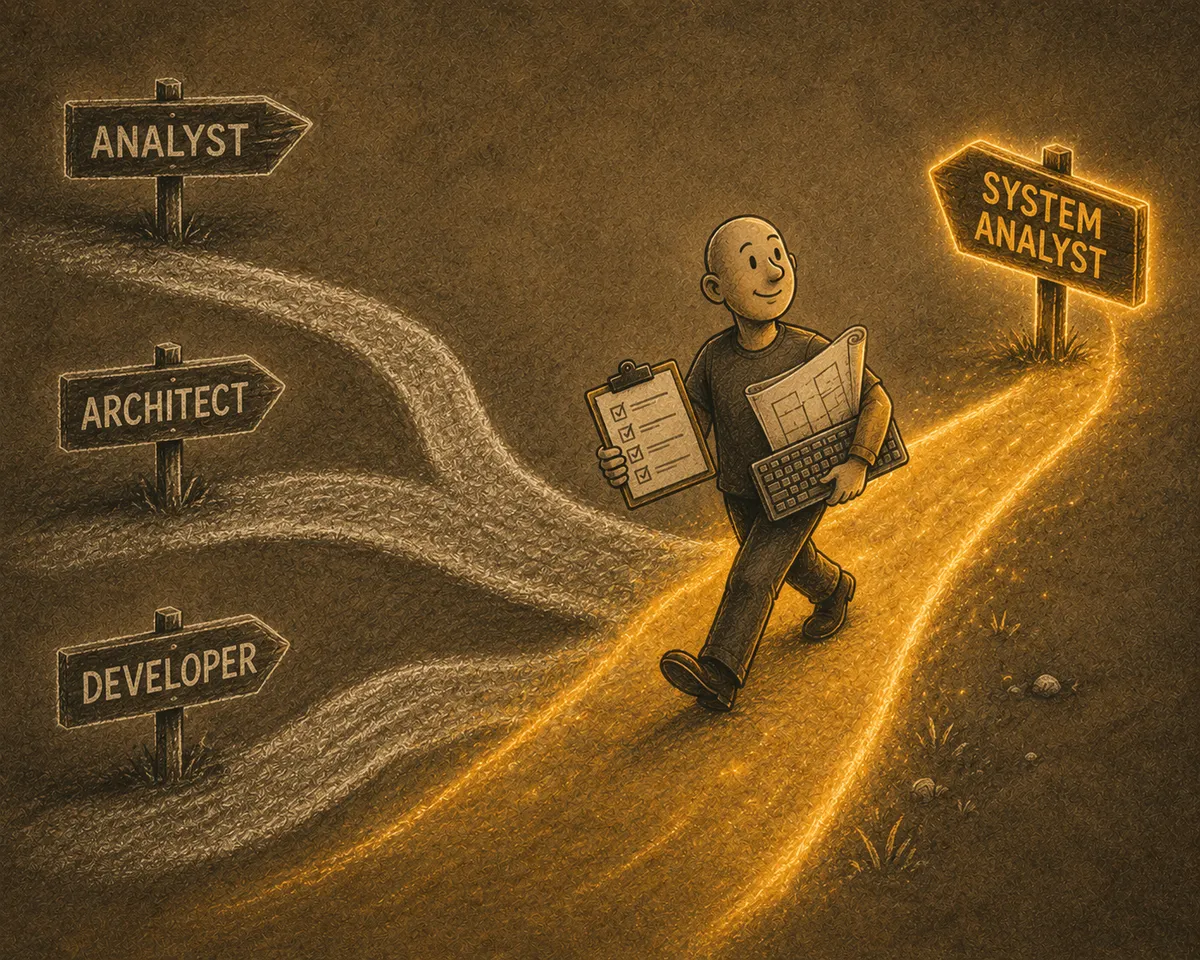
The Architect Developer
When the build stops being the bottleneck, the person who designed the thing can build it. The analyst, architect and developer are collapsing back into one role.
AI teams roles
· 5 min read
When the build stops being the bottleneck, the person who designed the thing can build it. The analyst, architect and developer are collapsing back into one role.
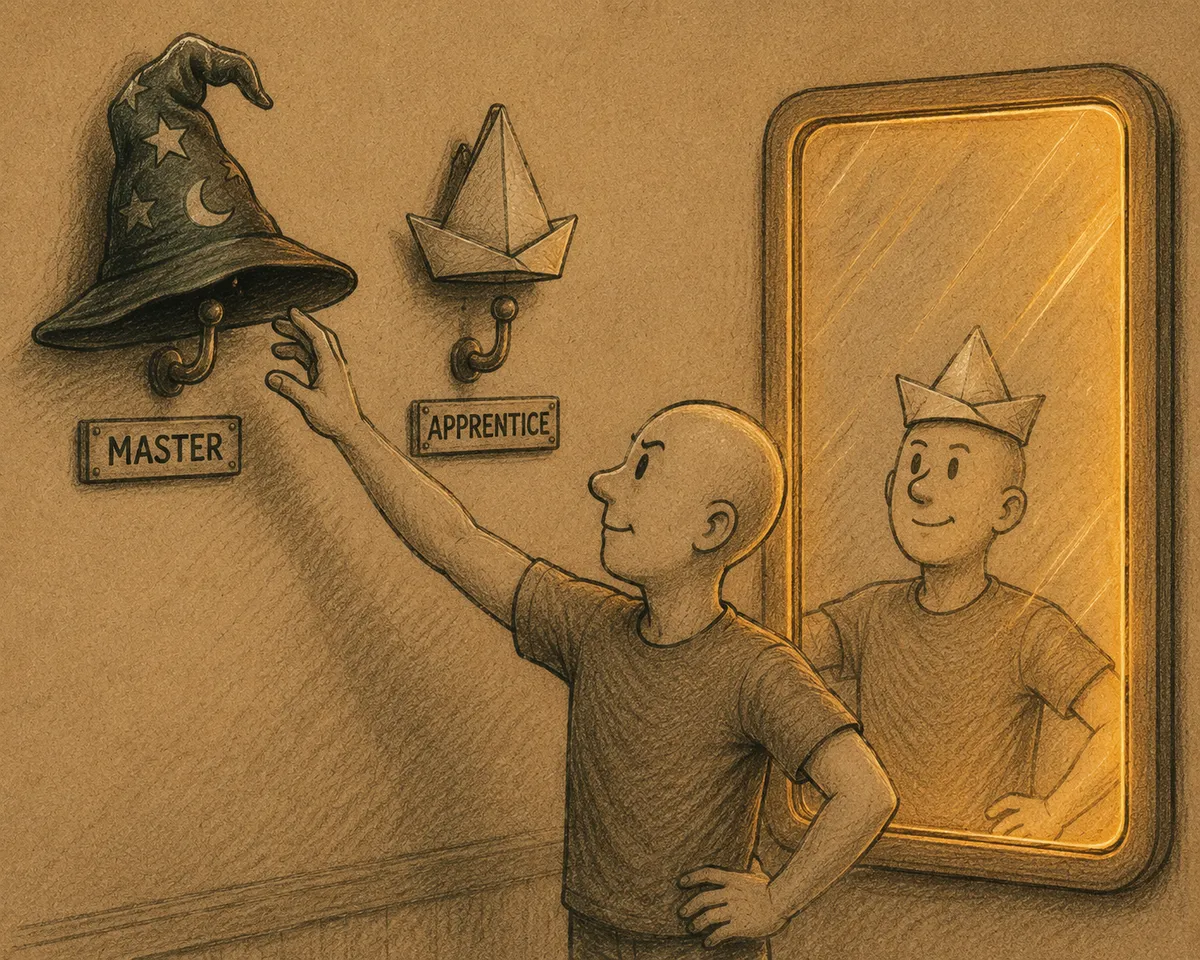
Sometimes AI is your brilliant intern; step off your patch and it becomes the master. Every expensive AI mistake traces back to wearing the wrong hat.
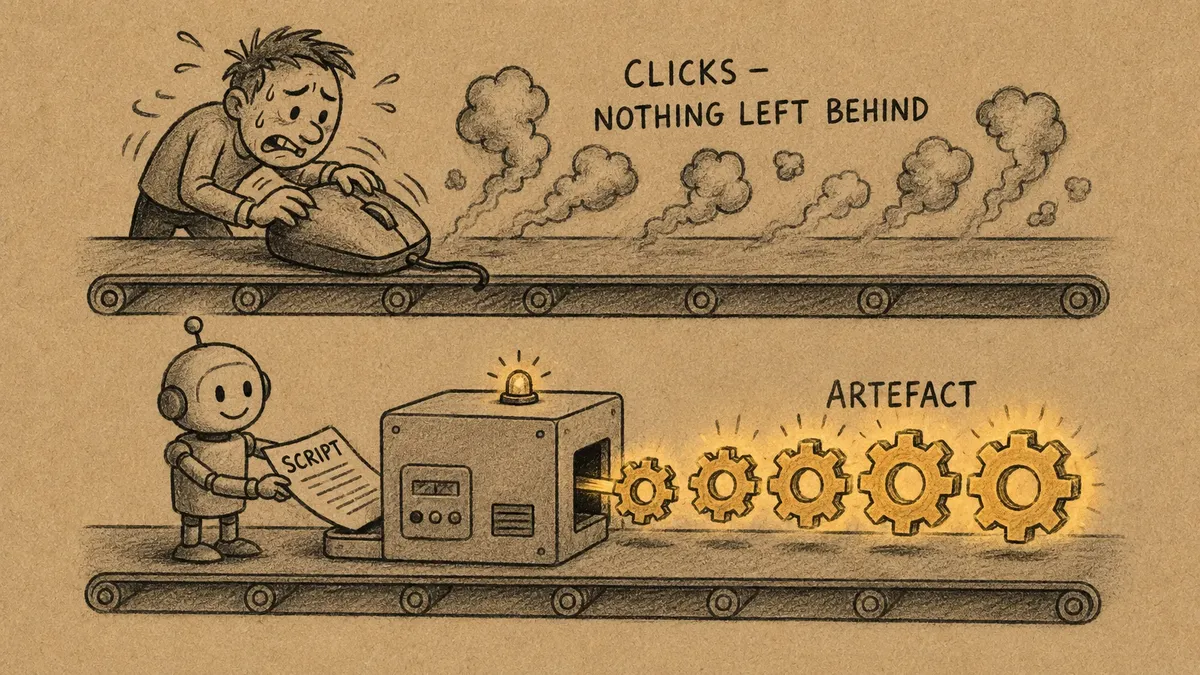
Dynamics has had an API for everything since version 4.0. A pile of clicks leaves nothing behind; a script is an artefact. Frictionless means eliminating clicks.
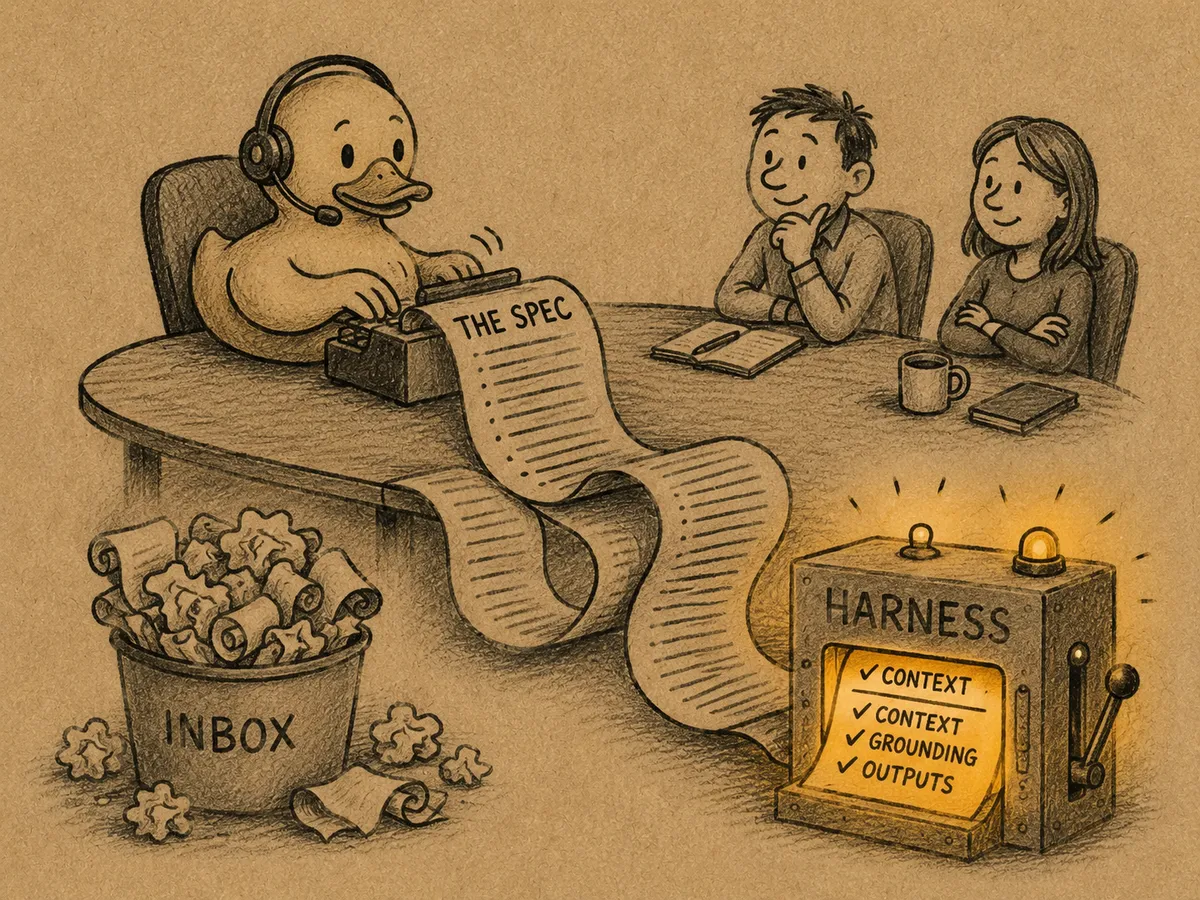
Rubber duck debugging taught us to say the problem out loud. Now something is listening: talk with care and the transcript becomes the spec, captured in passing.
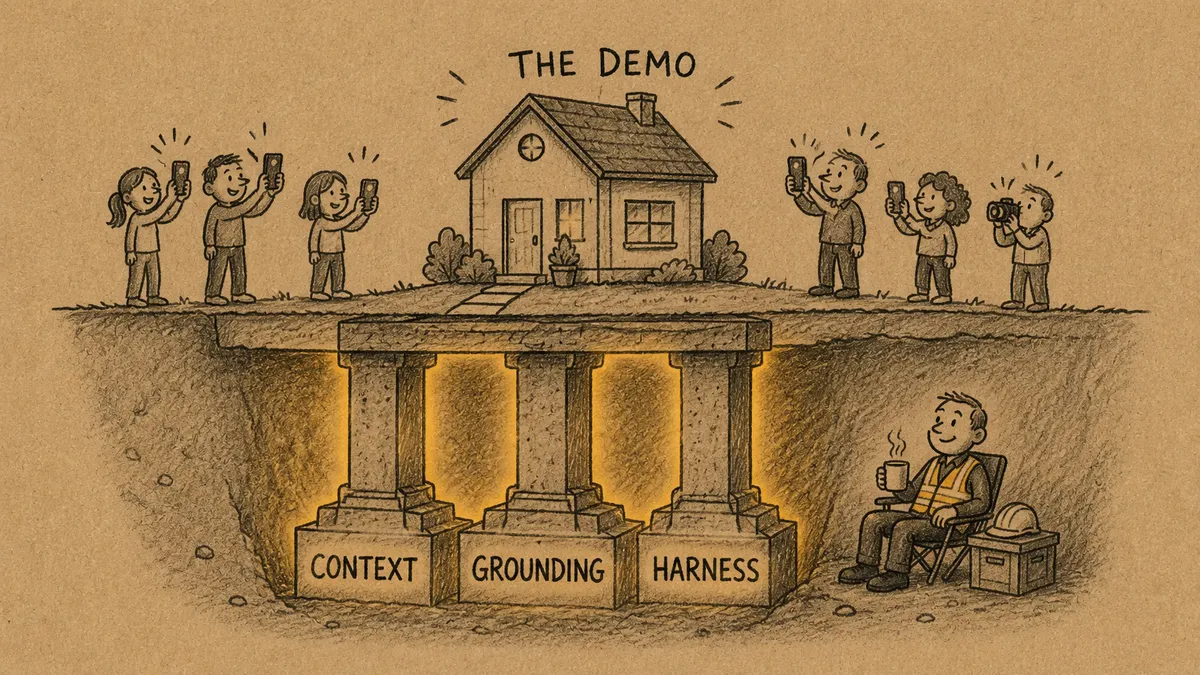
A mediocre prompt on excellent grounding beats a brilliant prompt on nothing. The work that counts happens before anything is visible.
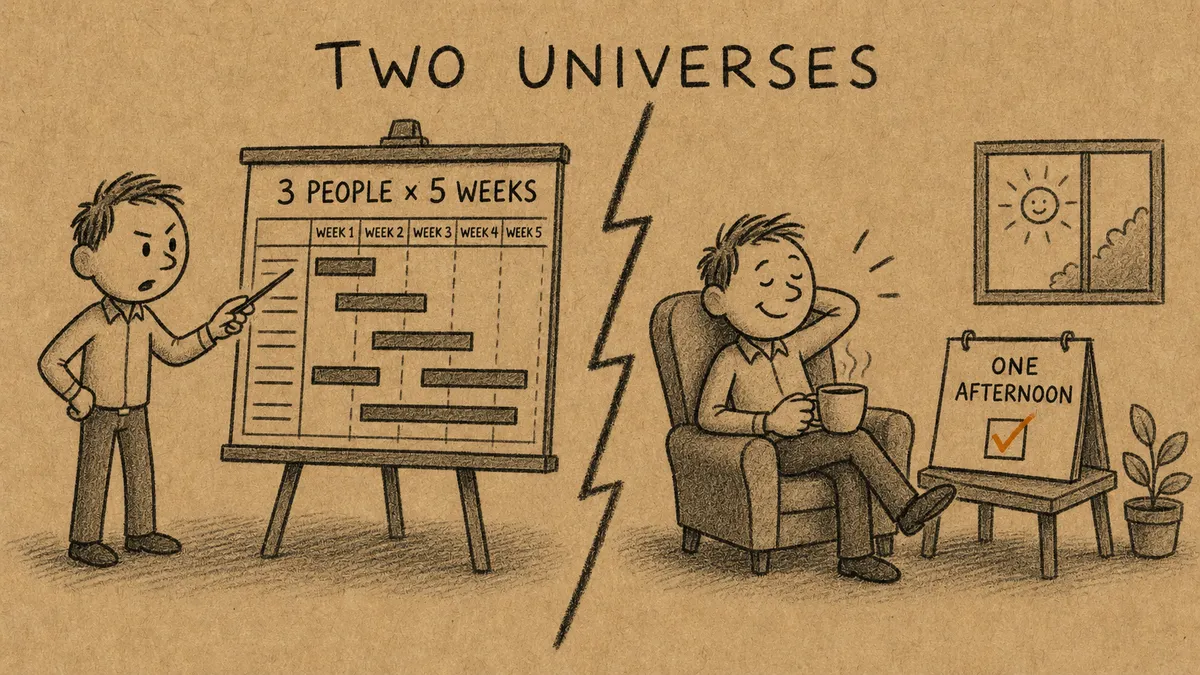
The estimate said three people and five weeks; the work took an afternoon. Lines of code, story points and tokens have come apart from the thing they were meant to track.
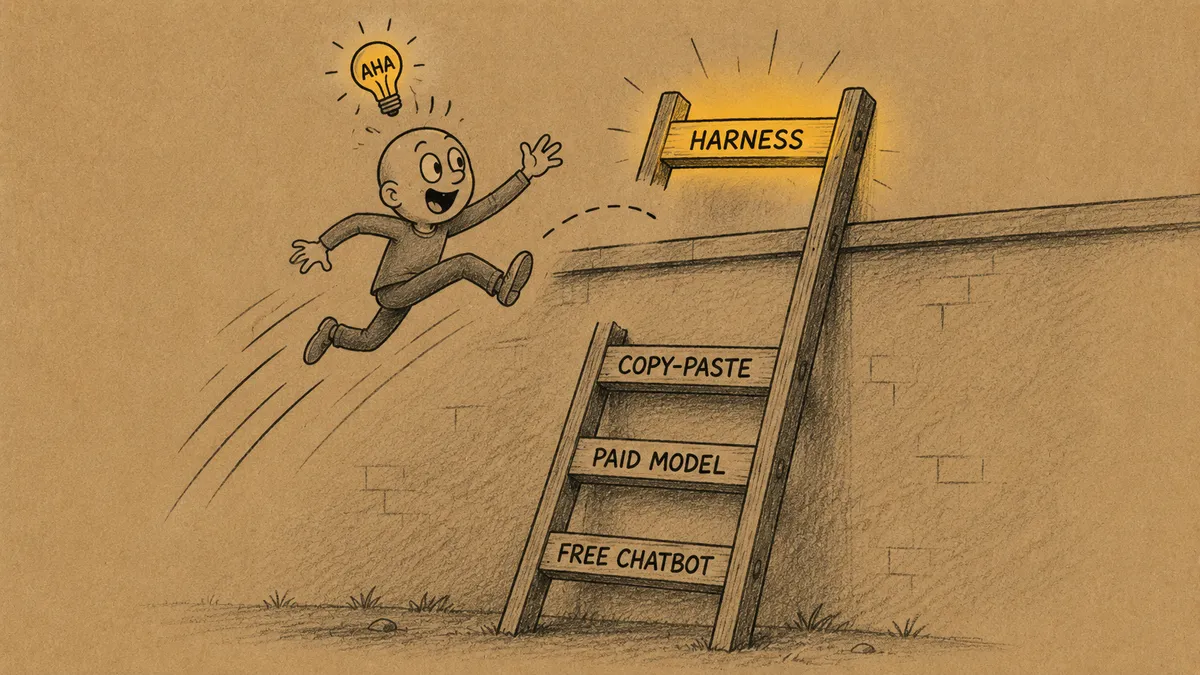
The AI aha moment is not one moment everyone shares. It is a change of mode: you stop asking AI questions and start giving it a grounded place to do the work.
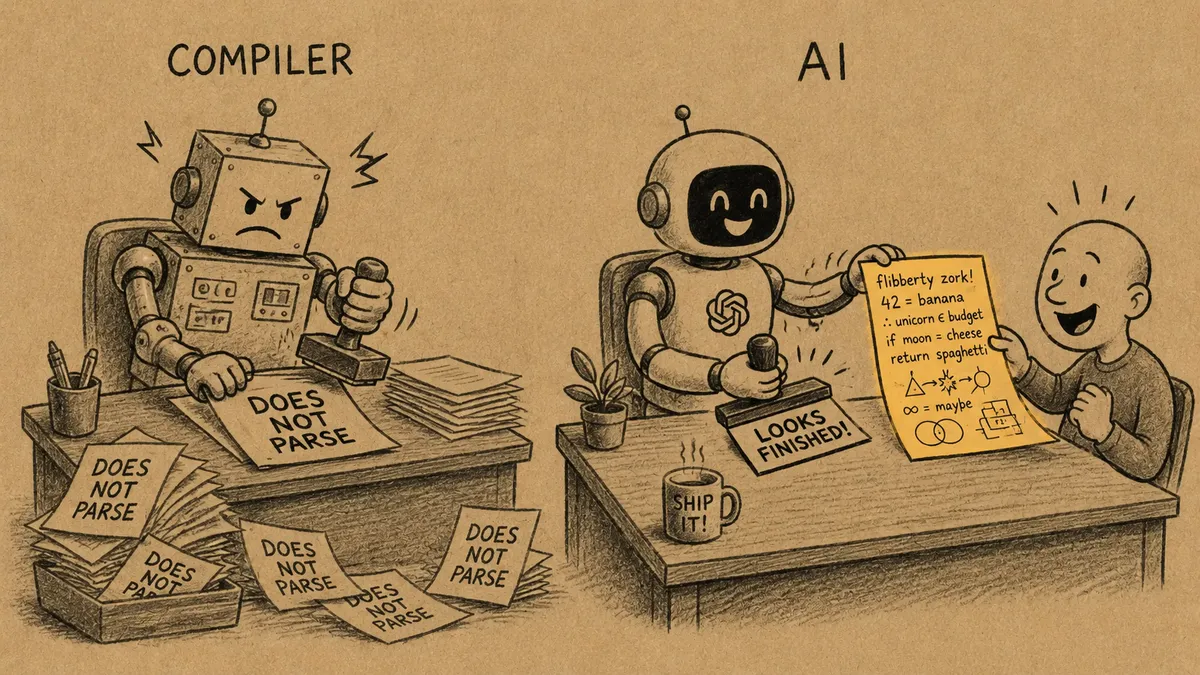
Building software has become an act of communication. The most valuable technical skill is no longer a language or a framework - it is the ability to say precisely what you mean.

Licensing is boring right up until it redesigns your architecture for you. Ten tips for designing with the licence model, not against it.

Low code does not mean low discipline. Five ways to keep a Power Apps project from becoming an expensive prototype.

Multipliers make everyone around them better; diminishers make themselves the bottleneck. Five ways to be the former.
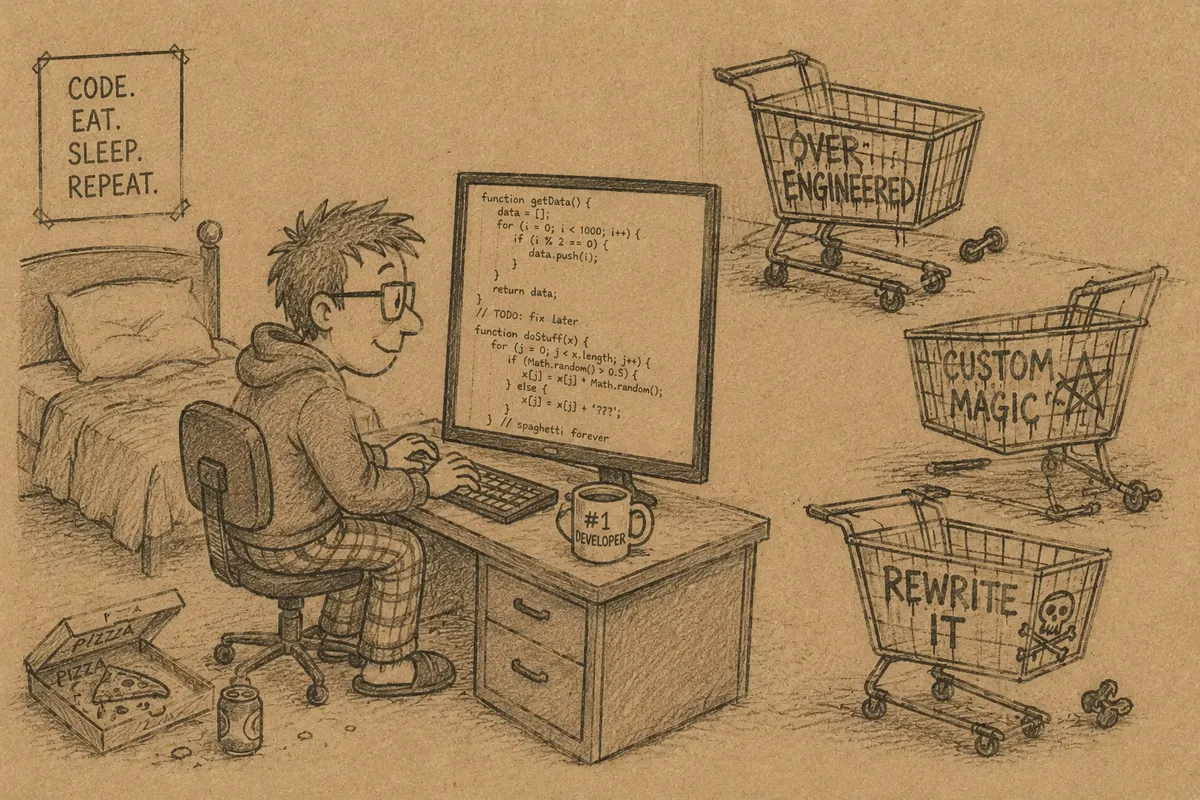
If a citizen developer builds an app and walks away, who puts the trolley back? On ethics, tidiness and being a good Power Platform citizen.
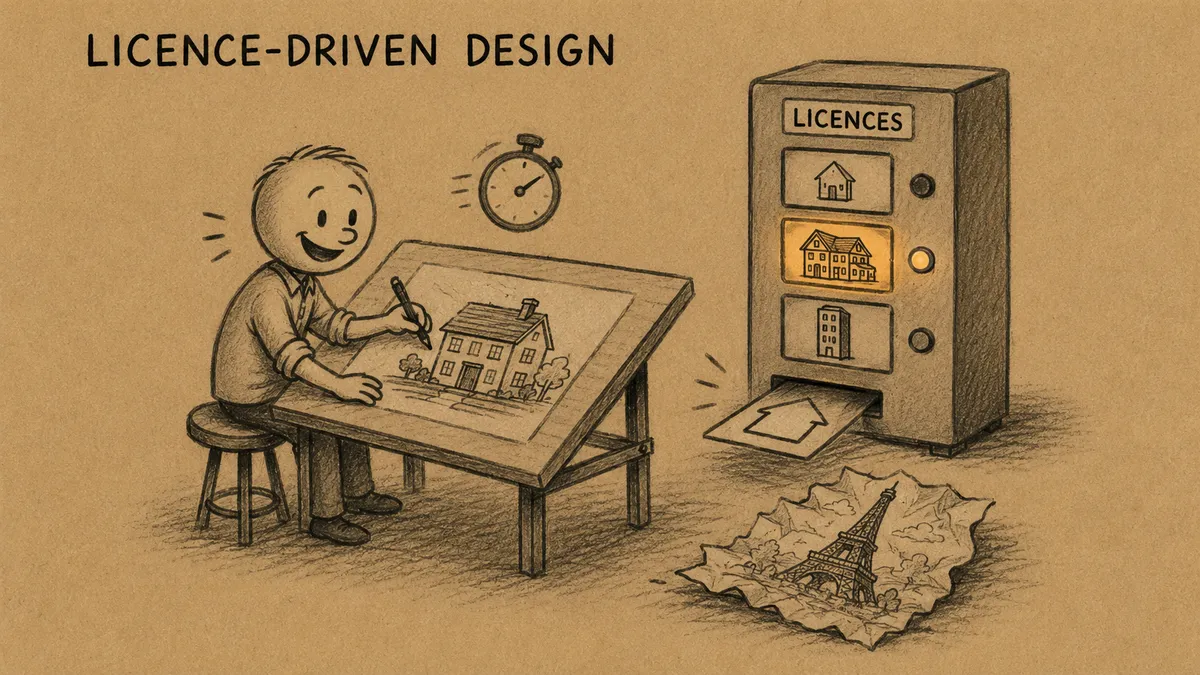
Why the licence model belongs in your architecture decisions from day one, not discovered at the invoice.
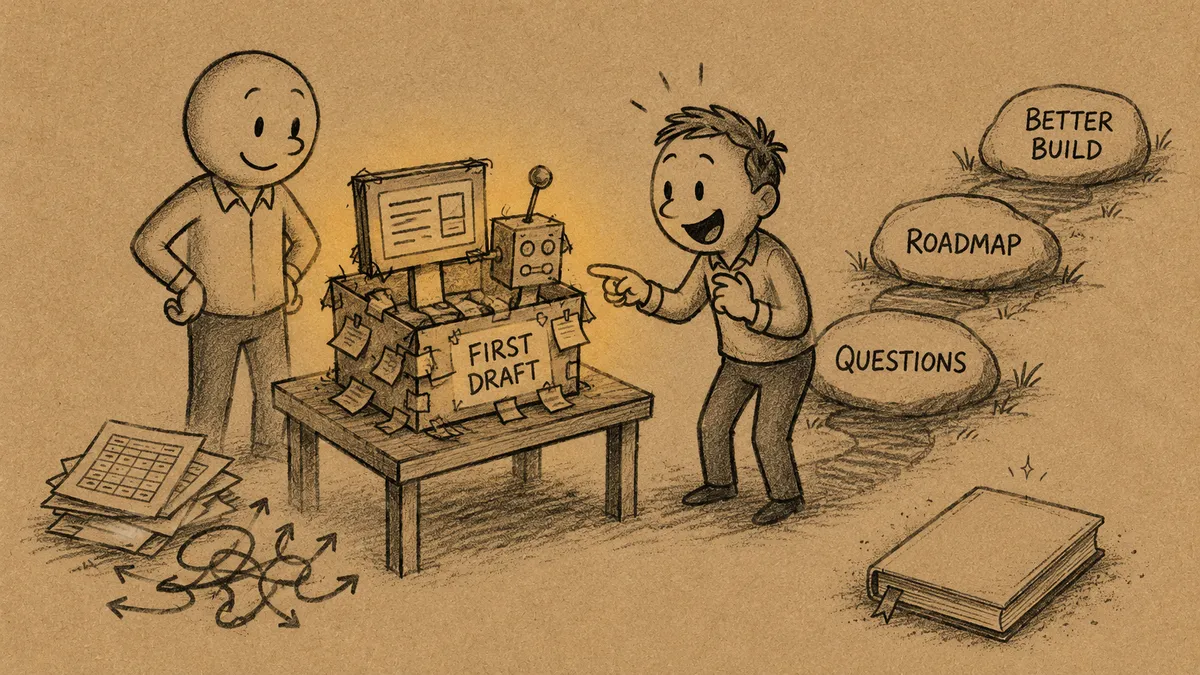
The Sh*tty First Draft: build a rough working version fast and let people react to it - because real requirements come from pointing at something, not imagining it.

What roles a Power Platform team actually needs, and why the mix matters more than the headcount.